|
TT |
Name of target |
Unit |
Quality level |
|
1 |
Foreign mandarin |
- |
Gas form, green, dark smell, shock, discomfort |
|
2 |
Jaw The amount of chlorine according to the volume volume |
% |
Min: 99.99% |
|
3 |
Jaw water |
% |
<0.0001% |
|
4 |
Block density |
kg/m3 |
1408.5 |
+ Liquid chlorine is used to disinfect bactericidal in the fields Production: Domestic water, drinking water, industrial wastewater .... Disinfection mechanism Taking place as follows: Chlorine works with water to form Hocl that has a strong disinfection effect. This disinfectant will diffuse through the cell shell, causing reaction to cell enzyme, destroy the metabolism of microorganisms and destroy It.
+ Liquid chlorine is widely used in paper production (bleaching crushed powder), dyes, food, pesticides, paint, petrochemical products, substances Flexibility, pharmaceutical, textiles, solvents and many other consumer products.
+ Liquid chlorine is used as raw materials to produce salt Chlorate, chlorofom, carbon tetracloride and in bromine extract.
+ In organic industrialization: chlorine is one of the Raw materials to produce VCM (Vinyl Chloride Monomer), use PVC synthesis.
The dangerous characteristics of chlorine gas are just a very dosage Small about 40 ÷ 60 ppm in the air can be deadly, so:
+ When inhaling chlorine gas will be shocked, breathe, cough continuously, pain Head, nausea, can faint. Chlorine gas concentration in the air: ≤ 1 PPM.
Handling measures: Take the victim to a breathable place, respiration Create if the victim stops breathing. Keep the victim warm if the victim still breathes. Try Reduce coughs by giving cough or milk.
+ When the skin is exposed to liquid chlorine, the skin is numb, cold burns, corrosive.
Handling measures: Immediately changing clothes are wearing and bathing Immediately after exposure to the environment with chlorine gas.
+ Eye: contact with chlorine gas causing strong pain, making the eyes blurred Severe cases may cause blindness.
Handling measures: Immediately wash the eyes with clear water 15 minutes, keep the eyes open when washing, then urgently take to the facility with expertise examination and treatment.
Contains:
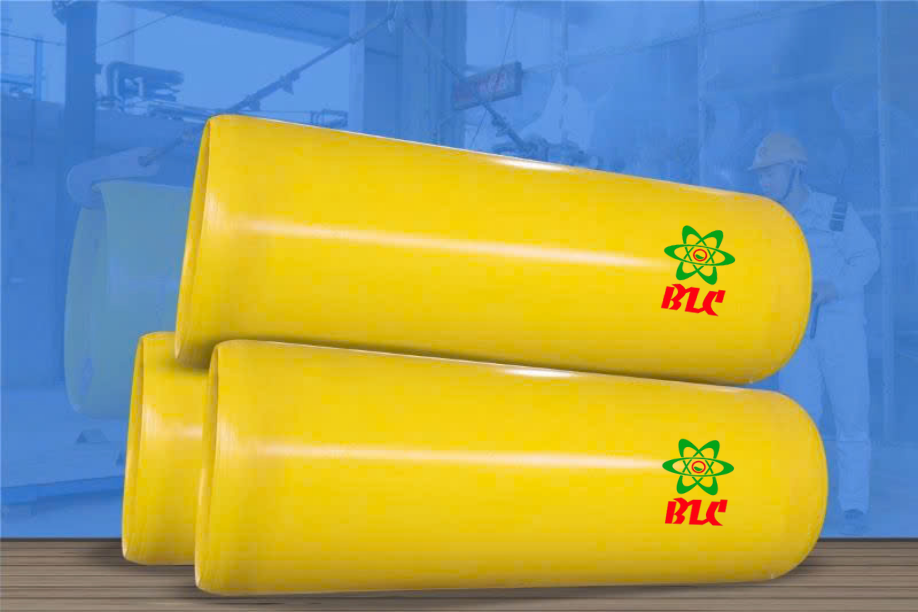
+ Packing gas type P1.0 in pressure tanks according to pepper Standard TCVN 6714: 2000.
+ Appropriate use materials: alloy steel (containing liquid chlorine, dried).
+ The amount of container: maximum about 80 ÷ 85% of the volume of the tank.
+ Do not be near the source of heat generation, not underground ceiling wire, not near the explosives. The chlorine bottle area needs to be roofed Sunshade. The chlorine containers are in use or not used anymore but have not been contacted Also must be under the roof. With the warehouse with large chlorine bottles that need to be sealed, there is a system Smoking system to prevent incidents.
Preserve:
+ Do not mix with strong bases, reducing agents and possible substances on fire. Store in a cool dry place, good ventilation.
+ Best storage at temperatures <35oC.
Transport:
+ Use a steel -resistant tank to transport liquid chlorine to the places for consumption.
Symbol when transporting EU:
+ Symbol: t, n
+ R23: Toxic gas when inhaled.
+ R36/37/38: Stimulating respiratory, eye, skin.
+ R50: Toxic for underwater organisms.
+ S: (1/2) 9-45-61: Leave a cool place, avoid leaking into the environment.
Symbols according to Vietnam's regulations:
+ GROUP: 6.1 + 8
+ Dangerous number: 268
+ Packing: P1.0